A Sunscreen Breakthrough? What the Industry Isn’t Saying About BEMT
A risk-less chemical sunscreen that goes on clear and doesn’t absorb into the bloodstream? It sounded too good to be true. After deep diving this beauty panacea for months, I decided this is another “magic bullet” I won’t be using. Here’s why.
2026 was the summer the U.S. ldid something about it’s sunscreen options. Finally, the industry exclaims, the FDA approved a long awaited miracle active ingredient, bemotrizinol (referred to as BEMT). It’s the first new UV filter approved for U.S. sunscreens in over 20 years. The hype has been off the charts, with multiple news outlets reporting on it daily. Most of the discourse is around how countries outside of the U.S. have been using it for years, and the U.S. is finally “catching up.”
BEMT and the Current Bad Options
Industry outlets casually gloss over the fact that the majority of sunscreens sold in the U.S. haven’t undergone the FDA requested safety-testing. Here’s what I mean by that. A 2020 FDA study tested six common chemical UV filters (oxybenzone, avobenzone, octocrylene, homosalate, octisalate, octinoxate) and found that all absorb into the bloodstream at levels exceeding the FDA’s safety threshold. Technically, this means these ingredients require additional safety and toxicological testing for things like cancer risk and reproductive risks, in order to be considered Generally Recognized as Safe and Effective by the FDA. The sunscreen industry has continued using them, neglecting to invest in the required safety testing.
What’s worse, these six sunscreen ingredients have been linked to:
endocrine disruption
estrogen-like effects in breast cancer cell studies
obesogen effects
reproductive effects (including reduced sperm function)
toxic byproducts under UV light and in pool water
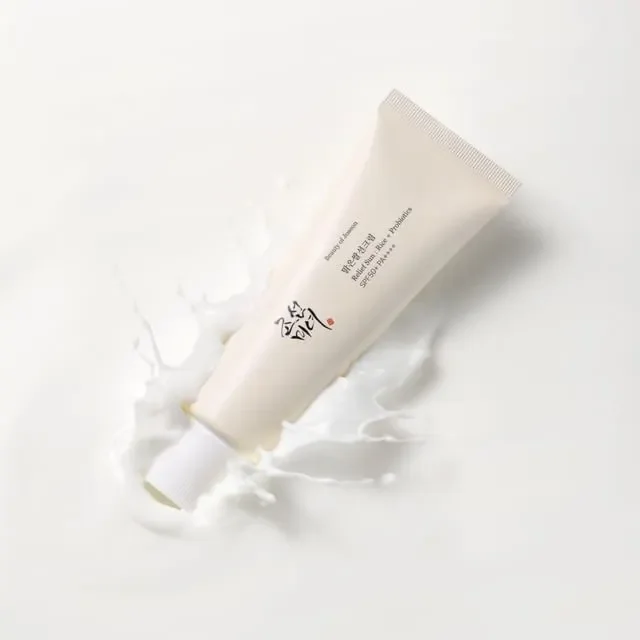
A cult favorite K beauty sunscreen that Americans order abroad since it utilizes filters not approved in the U.S.
Why Bemotrizinol?
BEMT (used at 6%) does not absorb into the bloodstream at a rate that would require safety testing, it does not have irritation concerns, and it passes carcinogenicity and developmental and reproductive testing. However, BEMT can’t and doesn’t act alone in sunscreen formulas. BEMT is formulated with other active sunscreen ingredients, which just so happen to have potential risks.
BEMT Requires Less Safe Helpers
The FDA approved BEMT at a maximum concentration of 6%, which means it can yield around SPF10-15 by itself. It has to have helpers in the form of other active sunscreen ingredients to achieve anything greater than SPF 15. Currently, the sunscreen options containing BEMT also contain multiple other sunscreen ingredients. Take the cult La Roche-Posay Anthelios UVMune 400 sunscreen for example. It relies on BEMT and seven other chemical UV filters (several of which are not approved for use in the U.S.) to achieve SPF 50+.
Next Gen U.S. Sunscreens
One large company, DSM-Firmenich, went all in on BEMT. They footed the testing and FDA approval process for BEMT in the U.S., and in return for that investment, they hold exclusivity on BEMT in the U.S. for the first 18 months post-approval. The FDA’s official effective date of approval for BEMT was August 9, 2026. DSM-Firmenich will sell it under their trade name, Parsol Shield. Get ready for the next sunscreen season in the U.S. to be a marketing blitz of Parsol Shield formulas.
It will be interesting to see what the other ingredients in Parsol Shield sunscreens will look like. Will they be similar to La Roche-Posay’s Anthelios 400 (minus the Mexoryl XL and Ecamsule which are not FDA approved)? Will they utilize mineral UV filters like zinc oxide and titanium dioxide?
Currently, none of the international formulas use BEMT with zinc oxide and/or titanium dioxide only. All rely on a combination of chemical UV filters.
Zinc Oxide Still Wins
Zinc oxide has been used safely for decades, even as a main active ingredient in diaper creams for its soothing and occlusive properties. Viral TikToks abound where skincare enthusiasts coat their skin with zinc oxide creams overnight (AKA zinc oxide slugging).
The loudest rebuttal to using zinc oxide sunscreens is based on dated information and formulas. Zinc oxide sunscreens were once chalky and pasty, but that is no longer the case with newer formulations that are aesthetically pleasing and are available in tinted options (which have the added benefit of blue light protection from iron oxides).
While BEMT absorbs into the bloodstream less than the old chemical UV filters — the ones that are prevalent in the U.S. market — it still absorbs a little. Non-nano zinc oxide does not have this concern. Also, BEMT breaks down into 19 byproducts when in contact with chlorine in pools or wastewater plants and the safety of these has not been tested.
The U.S. and the EU agree that zinc oxide is safe and effective up to 25%. The laws vary widely around the world in regard to the safety and safe maximum concentrations of other chemical UV filters. For example, homosalate is allowed up to 15% in the U.S. but is capped at 7.34% in leave on face products and just 0.5% for body products in the EU.
Another big reason zinc oxide wins is that it protects against UVA and UVB. Other chemical ingredients largely protect against either UVB or UVA. BEMT also protects against UVA and UVB, but remember, only up to SPF10-15.
If you’ve gotten this far, you are conscious about the products you put on your body and likely overwhelmed by the plethora of information out there. Back in 2014, my mind was blown researching cosmetic ingredients and realizing the lack of safety surrounding them. I’ve never stopped researching, and I built an app that flags the potentially harmful ingredients for you. It’s brand agnostic, there is no AI and no black box algorithm. You can download it on the App Store or Google Play to start your free week trial. You’ll be amazed at what’s lurking in products being pushed to us on the daily, but also empowered to choose truly clean ones.