COSMETICOREXIA: The Toxic Consequences of Sephora Kids
Cosmeticorexia, the anti-aging skincare obsession now marketed to children, is what's driving the "Sephora Kids" trend. Here's what's really in these products, the hidden health risks, and how parents can choose cleaner, age-appropriate options.
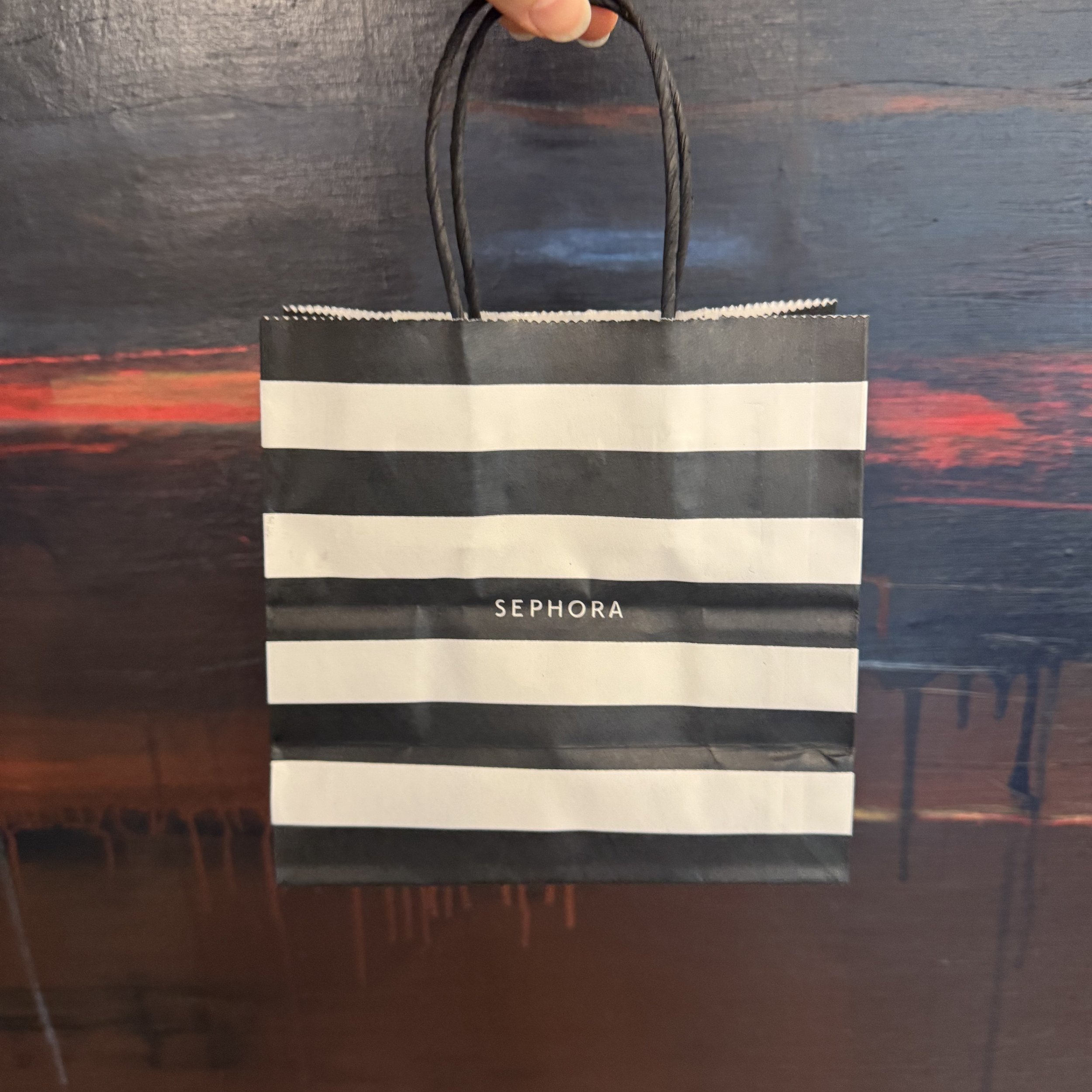
Have you been in a Sephora lately? I went in recently for a shade match, and instead of being surrounded by women in their 20s, 30s, and beyond, I was also in the company of young children shopping for themselves. Italian regulators have a name for the phenomenon unfolding in beauty stores: cosmeticorexia. It describes an obsession with anti-aging skincare that begins in elementary school, which explains the flocking of children to Sephora and TikTok.
Out of concern, in March 2026 the Italian Competition Authority opened a formal investigation into Sephora and Benefit Cosmetics for promoting anti-aging serums, masks, and creams to girls as young as 10, calling it an “unfair commercial practice.” (I’ve seen beauty influencers on social media as young as six.) The regulators warned that “the frequent and combined use of a wide range of cosmetics by minors, without proper awareness, may be harmful to their health.” Italy says it is the first regulator in Europe to formally investigate the marketing of adult skincare to children.
The Italian action is confirmation of what many of us have watched unfold for years. Some parents have even capitalized on it, while others shudder in horror.
Take what I’m hearing from moms of young girls in my community: “I cannot believe how many young girls are in Sephora these days. I was in there the other day and literally the whole line was girls who were about 12.” “I see them as young as 10 in my Sephora… there’s always tons of kids.”
Makeup and skincare, once reserved for post-puberty humans, have become a dangerous playground for beauty-obsessed children. It is not uncommon to see pre-pubescent girls with full skincare routines, a full face of makeup, topped off with manicured nails and false lashes.
Who’s Pushing This?
TikTok has become the home of these young beauty gurus, where “Sephora Kids” is a viral trending topic and young influencers push products.
A 2024 study in Pediatrics analyzed 100 pediatric skincare videos on TikTok and found that regimens averaged 6 products costing $168, and the top 25 videos exposed children to an average of 11 (and up to 21) potentially irritating active ingredients. The authors concluded these regimens “offer little to no benefit for the pediatric populations they are targeting.”
The products marketed to children include adult-formulated serums, retinols, and acid exfoliants. These are products made for skin concerns children don’t have and aren’t exactly equipped to handle. Not to mention they often contain hormone disrupting and carcinogenic ingredients that already threaten adults who use said products.
Anti-Aging Endangers Kids
Products with potent anti-aging actives like retinol, salicylic acid, and benzoyl peroxide are wreaking havoc on young, developing skin.
Take a look at product reviews on Sephora’s website and you’ll see dire warnings from parents whose children’s skin was burned or damaged by products made for adults. Ironically, these reviews often appear on products labeled “Clean at Sephora.” Parents mistakenly believe that if Sephora categorizes a product as “clean,” it must be safe for kids. But the “clean” distinction hasn’t caught up with the customer demographics. While pre-pubescent shoppers make up an increasing share of the customer base, the products themselves remain the same. They are focused on adult skin and adult skin concerns, which, as we’ve seen, aren’t always safe even for more mature skin.
Retinol and salicylic acid increase cellular turnover and can damage the skin barrier, causing dermatitis. Neither is recommended for pregnant women, yet kids have unfettered access to them. Benzoyl peroxide, a popular acne-fighting ingredient, runs the risk of degrading into benzene, a known carcinogen also commonly found as a contaminant in aerosol products. In March 2024, the independent lab Valisure tested 175 acne products and found that benzene could form in 94 of the 99 products that contained benzoyl peroxide, with levels rising sharply when exposed to heat. Benzoyl peroxide itself has shown genotoxic properties in animal studies, even as it remains classified by the FDA as Category I (generally recognized as safe) for over-the-counter acne use.
Hidden Health Risks
Beyond the immediate irritation to developing skin, these products carry quieter long-term risks. Skincare product use among children is associated with higher levels of phthalates (hormone disruptors) in their urine, according to a 2024 study of more than 600 children published in Environmental Health Perspectives. Phthalates are rightfully restricted in kids’ toys, but the category of kids’ cosmetics has been largely overlooked by regulators, until recently.
Parents deserve to know that products widely available and even promoted to their kids contain endocrine-disrupting chemicals that are particularly risky during critical developmental periods. Personal care product use during puberty has been associated with increased breast cancer risk later in life. Puberty onset has declined by almost three months per decade between 1977 and 2013 (Eckert-Lind et al. 2020, JAMA Pediatrics), an acceleration that has been linked to phthalates in personal care products. Early puberty is itself linked to higher risk of breast, ovarian, and testicular cancers, as well as mental illness.
These ingredients in most products aren’t benign. They certainly aren’t for kids. They jeopardize the health of these children into adulthood, and potentially their ability to have children of their own.
The “Clean” Label Problem
In response to kids’ surging appetite for cosmetics, new brands marketed toward children are popping up with claims of being “clean” and “safe.” This is a step in the right direction when I think about the products marketed to me during my childhood. I distinctly recall the smell of Lip Smackers, and how they smelled so good I wanted to eat them (I’m fairly certain I did). Those same lip balms are still on shelves today. You’ll spot them on the lower shelves, placed strategically at kids’ eye level, like sugary cartoon character cereals. Products like Lip Smackers are intentionally flavored to smell and taste like treats, yet the ingredients are derived from petroleum, and kids will ingest them (carcinogenic byproducts included). Similar to the Claire’s makeup that was found to contain asbestos, parents wrongly assume today’s trending cosmetics marketed to their children are safe.
The new-age kids’ beauty brands might avoid red-flag ingredients like talc (how asbestos piggybacked in), but they don’t follow any standardized safety rules for kids, because no such rules exist. This is an emerging category without defined standards, much like the clean beauty movement at large for adults.
States Start to Act
Connecticut Attorney General William Tong opened an investigation into Sephora’s marketing in November 2024, and in April 2026 he secured a formal agreement requiring the retailer to post clear warnings on product pages and train staff to identify products that aren’t appropriate for children. It was a state-level negotiation, not a federal law, and the specifics of enforcement remain vague.
The year before, California’s Assembly Bill 728 had tried to ban the sale of products containing vitamin A (retinol) or alpha hydroxy acids to anyone under 18. The bill didn’t pass.
Clearly, we cannot rely on regulators. Education is the best tool we have.
What Parents Can Do
Parents are always the first line of defense. Here are some practical steps to follow:
Scan product ingredients before buying. My app, Switch Natural, will tell you instantly so you don’t have to research every chemical individually.
Stick to simple and few products, like a gentle cleanser and sunscreen. Avoid fragrance, benzoyl peroxide, retinols, and acids.
Ask questions if you are unsure about anything. The way a brand responds will tell you everything you need to know.
Reassure children that they don’t need skincare. Encourage them to learn about products before using them.
Children who want to participate in a “ritual” can do so without ingesting petroleum byproducts or absorbing endocrine disruptors during critical developmental windows.
We have the responsibility to protect our children. Question the marketing. Choose fragrance-free, age-appropriate alternatives. Never trust the front of the bottle. Don’t get cleanwashed.
You don’t need a chemistry degree to keep your kids safe. My app, Switch Natural, scans any product’s ingredient list and instantly flags what doesn’t belong, so you can vet what goes on your child’s skin.
Are you appalled by this trend? I’d love to hear from you in the comments.