The MoCRA Betrayal
The FDA Quietly Walked Back Beauty Safety in 2025
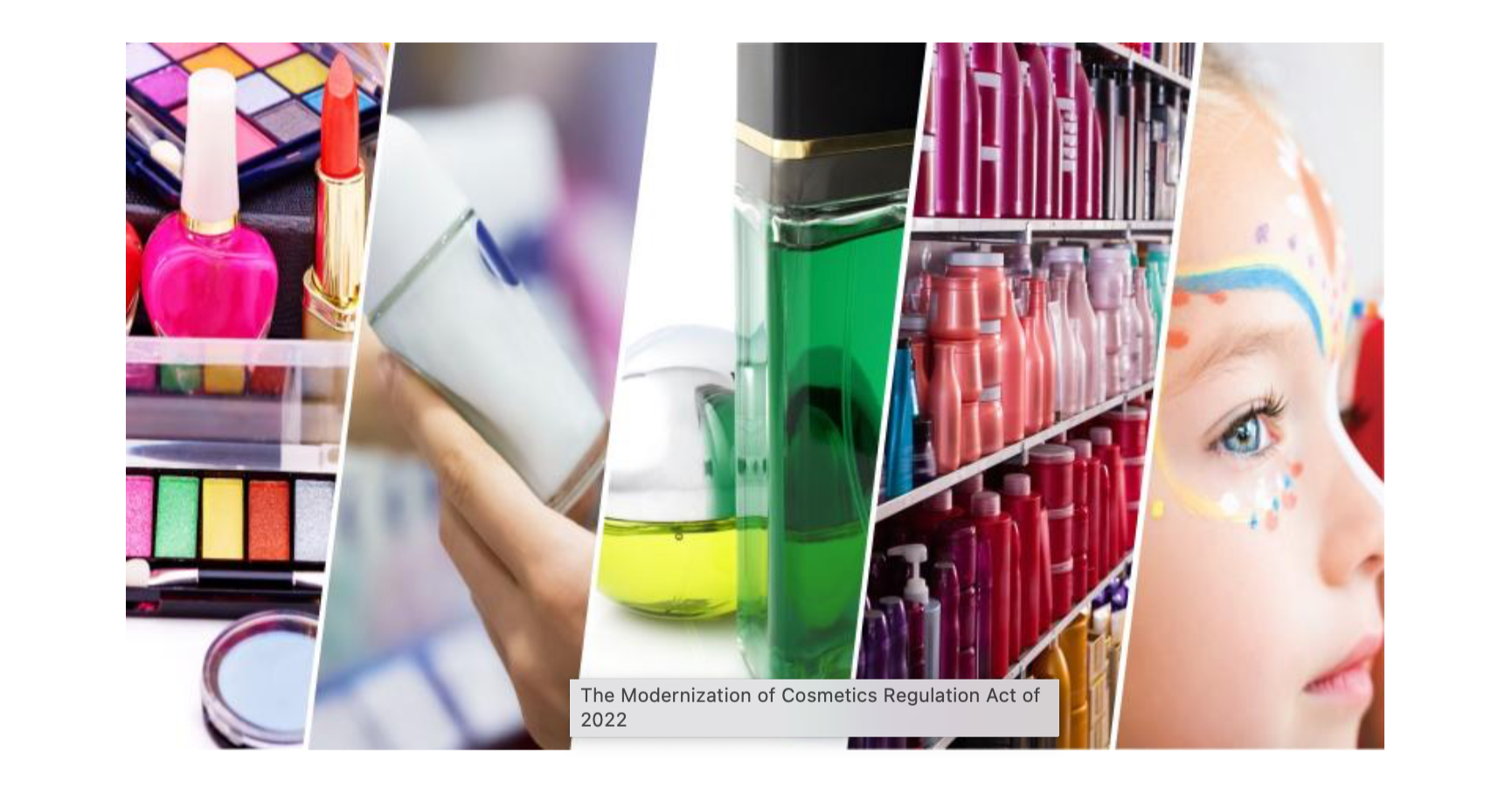
If you’ve been following clean beauty for any length of time, you’ve heard of MoCRA — the Modernization of Cosmetics Regulation Act — which was supposed to be monumental. Passed in 2022, it was the first significant federal cosmetics safety legislation in over 80 years. MoCRA required the FDA to produce reports on two of the most concerning ingredient categories in your beauty routine: talc and PFAS. Those reports finally came in (albeit late), and in this article I’m sharing what they found, and more importantly, what they failed to do about it. Meanwhile, Europe continues to move ahead of us.
Talc Rule Withdrawn
We've known for decades that talc can contain asbestos, a known carcinogen, and that existing testing methods are unreliable. MoCRA was supposed to force the FDA to come up with a standardized asbestos testing method, and require manufacturers to keep records demonstrating compliance. Instead, we got a quiet withdrawal of the ruleon Black Friday of 2025. Here are their reasons cited from comments to the proposed rule:
Unintended consequences for products outside of cosmetics
Lack of alignment on the definition of “asbestos” with other federal agencies like OSHA and EPA
Questions about the FDA’s legal authority to enforce zero tolerance, meaning to deem any product containing any detectable amount of asbestos as adulterated (Adulterated products would be illegal to sell)
The FDA’s reasons for withdrawal raise even more questions like: why is talc in our other consumer products anyway? Why can’t the FDA enforce zero tolerance when any amount of asbestos is dangerous?
Meanwhile, the EU has made moves toward banning talc altogether. In 2024, the EU classified talc itself as a Category 1B Presumed Carcinogen (presumed to cause cancer in humans). Read more about that and the health risks of talc in my previous post here (it’s a doozy).
But since the FDA is still focusing solely on testing methods, here’s a summary of the subpar tests and how they are failing us anyway:
PLM (Polarized Light Microscopy): This cheaper and faster method has a “limit of detection.” It cannot see the thinnest asbestos fibers. If a sample has asbestos below the test limit, PLM will report it as “None Detected.” This test is more widely used because it is a lower bar for brands to pass.
TEM (Transmission Electron Microscopy): This test is considered the gold standard as it uses electron beams to detect fibers that are very small (smaller than those detected by PLM). But it doesn’t test the entirety of the talc, so it only proves that asbestos is present or not in a small section. We know that asbestos is not evenly distributed in talc, making this test unreliable as well.
Due to the FDA’s inaction, cosmetic companies can claim their talc as asbestos-free using either of these tests. We are essentially stuck at square one. Perhaps FDA Commissioner Dr. Makary said it best himself at an expert roundtable earlier in 2025:
“Are we ignoring these results because we're concerned about what it means for our lives? Are we putting our heads in the sand?” — FDA Commissioner Dr. Makary, 2025
Months later, he signed the withdrawal anyway.
Forever Allowing PFAS
The FDA did not issue a ban of any PFAS in cosmetics which is shocking given the facts cited in their report. They acknowledged that 51 of these forever chemicals are intentionally added to over 1,700 products in the marketplace. One of which was flagged as a safety concern —perfluorohexylethyl triethoxysilane — yet no regulatory action was taken.
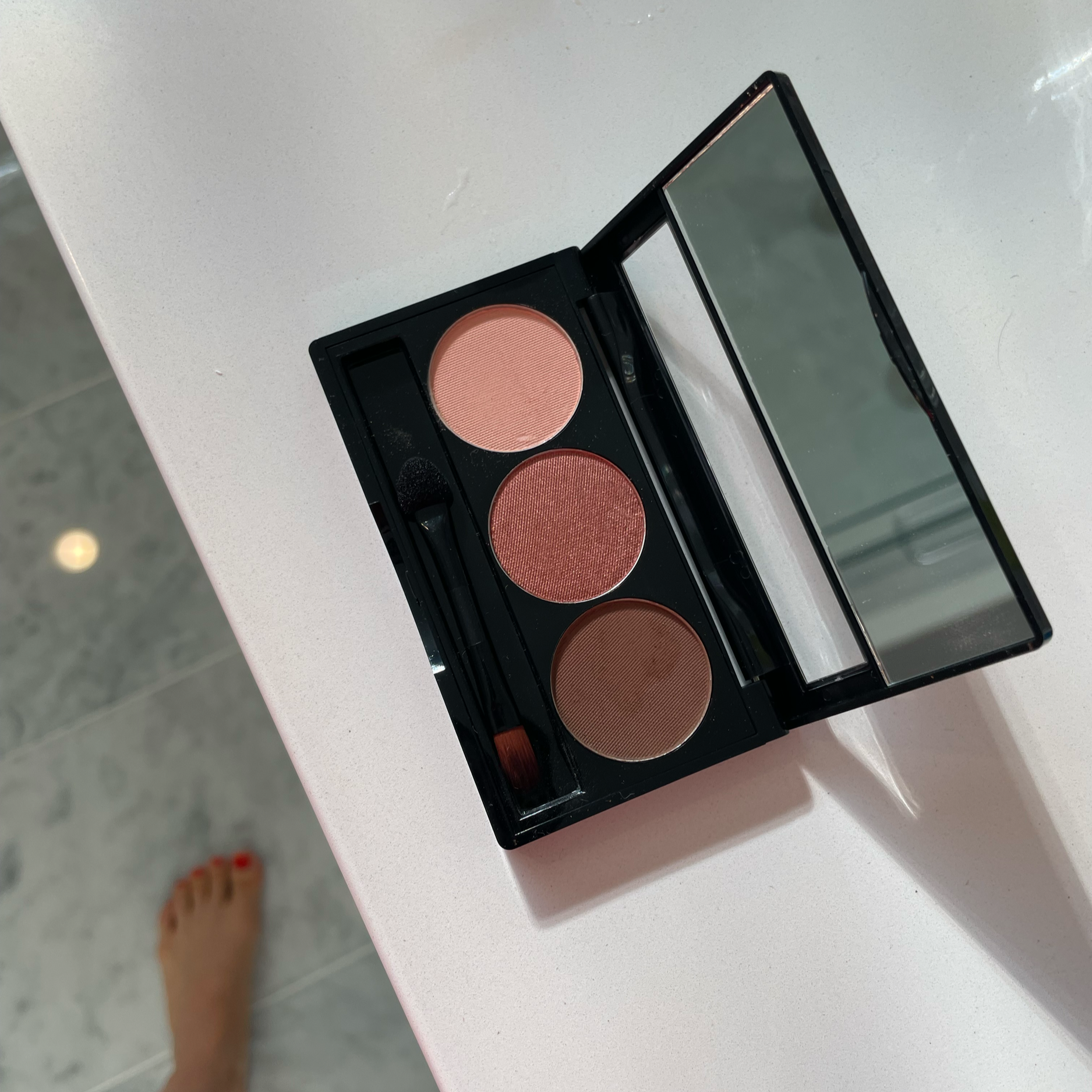
The FDA report identified the high-risk PFAS makeup categories (those that are more likely to contain PFAS): eyeshadows (20.5% of PFAS containing cosmetics), face and neck products (15.9%), eyeliners (8.4%), powders (6.6%), and foundations (4.5%).
It also identified polytetrafluoroethylene (PTFE) as the most common type of PFAS found in cosmetics (approximately 28.1% of all PFAS-containing products). This is the same chemical used in coatings of nonstick pans and is also known as Teflon.
As for the reason of inaction? The FDA concluded there is “insufficient toxicological data available.” However, the FDA’s claim of insufficient data stands in stark contrast to the decades of peer-reviewed research linking PFAS to the following:
While the FDA waits for data, Washington, Maine, and Vermont have already implemented their own PFAS bans as of January 1, 2026.
What You Can Do About PFAS
There are two ways to reduce exposure to PFAS in cosmetics. First, avoid cosmetics with intentionally added PFAS by checking the ingredient label for these commonly used PFAS chemicals:
Polytetrafluoroethylene (PTFE)
Perfluorohexylethyl triethoxysilane
Pentafluoropropane
Methyl perfluorobutyl ether
Perfluororoctyl triethoxsilane
Second, steer clear of cosmetics with long-lasting or water resistant claims as these are more likely to contain forever chemicals.
FDA Remains Silent on Formaldehyde Releasers
Talc and PFAS weren’t the only chemicals deserving scrutiny under MoCRA. Formaldehyde and formaldehyde-releasing preservatives represent yet another regulatory gap the FDA has failed to address.
Formaldehyde is a known human carcinogen according to both the National Toxicology Program and the International Agency for Research on Cancer. Yet it remains legal in U.S. cosmetics, both as a direct ingredient and hidden within a class of preservatives called formaldehyde releasers, which are ingredients that slowly break down and release formaldehyde over time.
You won’t always see “formaldehyde” on a label. Look out for these specific examples of formaldehyde releasers commonly used as preservatives in shampoos, conditioners, body washes, lotions, and other cosmetics:
DMDM Hydantoin
Quaternium-15
Imidazolidinyl Urea
Diazolidinyl Urea
Bronopol (2-Bromo-2-Nitropropane-1,3-Diol)
The agency had set a deadline for December 31, 2025, to finalize a ban on formaldehyde specifically in hair-straightening and smoothing products (which are notorious for releasing the formaldehyde when heated). As of early 2026, that deadline has passed without a final rule. While the EU has strictly limited these releasers to protect consumers, the U.S. remains in a cycle of proposed bans and missed dates.
The Bottom Line: It’s Up to Us
Whether it’s talc, PFAS, or formaldehyde, the FDA continues to kick the can down the road. Unfortunately, many consumers will interpret this inaction as an assurance of safety.
If there is one takeaway from these recent reports, it is that we cannot rely on regulators to keep us safe. The burden of safety falls squarely on us.
The good news is you can avoid exposure to these harmful chemicals since safe alternatives exist. Check your labels for “Talc,” “PTFE,” “Perfluoro,” and “DMDM Hydantoin.” If a product claims to be water-resistant or long-lasting, proceed with caution.